
FOR IMMEDIATE RELEASE
Media Contact(s):
Anna Weis
Communications Specialist
214-662-6039 | annaleeweis@tamu.edu
texasseagrant.org
Texas Plastic Pollution Symposium in Galveston March 25
Back for its eighth year, the Texas Plastic Pollution Symposium brings together Texans working in the plastic pollution space to discuss the latest research, solutions and advancements.
Galveston, Texas (February, 2026) — The 8th Annual Texas Plastic Pollution Symposium will be held Wednesday, March 25, 2026, at the Aggie Events Center at Texas A&M University at Galveston. This free, one-day event brings together scientists, researchers, students and dedicated community members to explore the latest research and solutions addressing plastic pollution across the state.
The symposium is a leading forum in the state for discussing new studies, ongoing projects and collaborative efforts aimed at reducing the impacts of plastic debris on Texas’ coastal and marine environments.
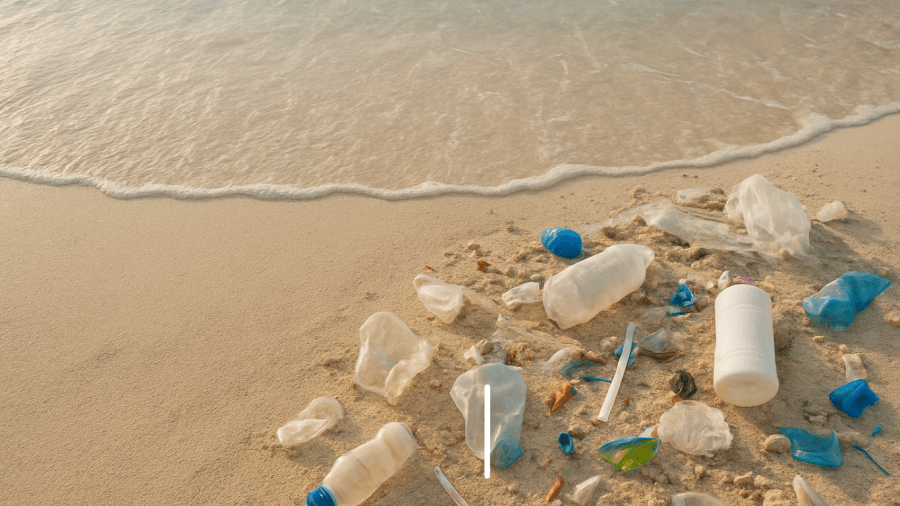
“Plastic pollution is a serious issue on the Texas coast. Since 1986, more than 10 million pounds of debris have been collected, and ocean currents and wind patterns naturally bring Texas up to 10 times more marine debris than other Gulf states,” said Jace Tunnell, Director of Community Engagement at Harte Research Institute at Texas A&M University–Corpus Christi and co-founder of the event. “At the same time, incredible efforts are being made to reduce these impacts. This symposium highlights the work of our state and brings new ideas forward to keep the work moving.”
The keynote address will be delivered by Michelle Johnston, Sanctuary Superintendent for Flower Garden Banks National Marine Sanctuary, whose work is closely tied to coastal ecosystem health and the effects of plastic pollution.
The rest of the day will feature expert panels, cutting-edge research presentations and student poster sessions. Topics will focus on monitoring, the chemistry of plastic pollution, impacts to fish, wildlife and habitats, and practical or legislative solutions, all to raise awareness about the impacts of plastics on the environment. Researchers and students are invited to submit abstracts for oral or poster presentations by February 15, 2026.
The symposium is supported by the Nurdle Patrol program with the Harte Research Institute at Texas A&M University-Corpus Christi through a grant from the Matagorda Bay Mitigation Trust. Sponsors include Texas Sea Grant, Coastal Bend Bays & Estuaries Program, Texas A&M University at Galveston, Texas Master Naturalist Program, Port Aransas/Mustang Island Tourism Bureau & Chamber of Commerce, Turtle Island Restoration Network, and Friends of Flower Garden Banks National Marine Sanctuary.
“We’re thrilled to put on the eighth symposium at Texas A&M University at Galveston this year, a place at the forefront of research in this field,” said Tunnell. “We extend our gratitude to everyone who has helped make this event possible over the past eight years and encourage anyone interested in improving our coasts to attend.”
Registration is free, but is required and will remain open until the days leading up to the event. Lunch will be provided. Hotel and parking information will be available online. Additional speakers and the full program will be announced by the end of February.
For more event details, registration and abstract submission, please visit: texasplasticpollutionsymposium.com
About Texas Plastic Pollution Symposium:
The Texas Plastic Pollution Symposium is an annual event that brings together researchers, students, industry professionals and coastal stakeholders to share the latest science, solutions and collaborative efforts addressing plastic pollution along the Texas coast. Hosted by regional partners and supported by the Nurdle Patrol program at the Harte Research Institute. The symposium highlights new research, ongoing projects and practical strategies aimed at reducing the impacts of plastic debris on coastal and marine environments. The event fosters collaboration across disciplines and organizations working to protect Texas beaches, bays and offshore ecosystems.
 Texas Plastic Pollution Symposium